
UNDERSTANDING VIOLENCE
What is Gender-Based Violence?
Understanding gender-based violence, the forms it can take, and the role of power, control and inequality.
DEFINITION
Gender-Based Violence
Gender-based violence (GBV) is one of the most widespread violations of human rights worldwide. It refers to violence directed against a person because of their sex, gender, gender identity, gender expression, or perceived gender. Although anyone can experience gender-based violence, women and girls are disproportionately affected due to persistent structural inequalities, discriminatory social norms, and unequal power relations.
FORMS OF VIOLENCE
Gender Based Violence takes many forms
Violence is not limited to physical assault. It may include one or more of the following forms.
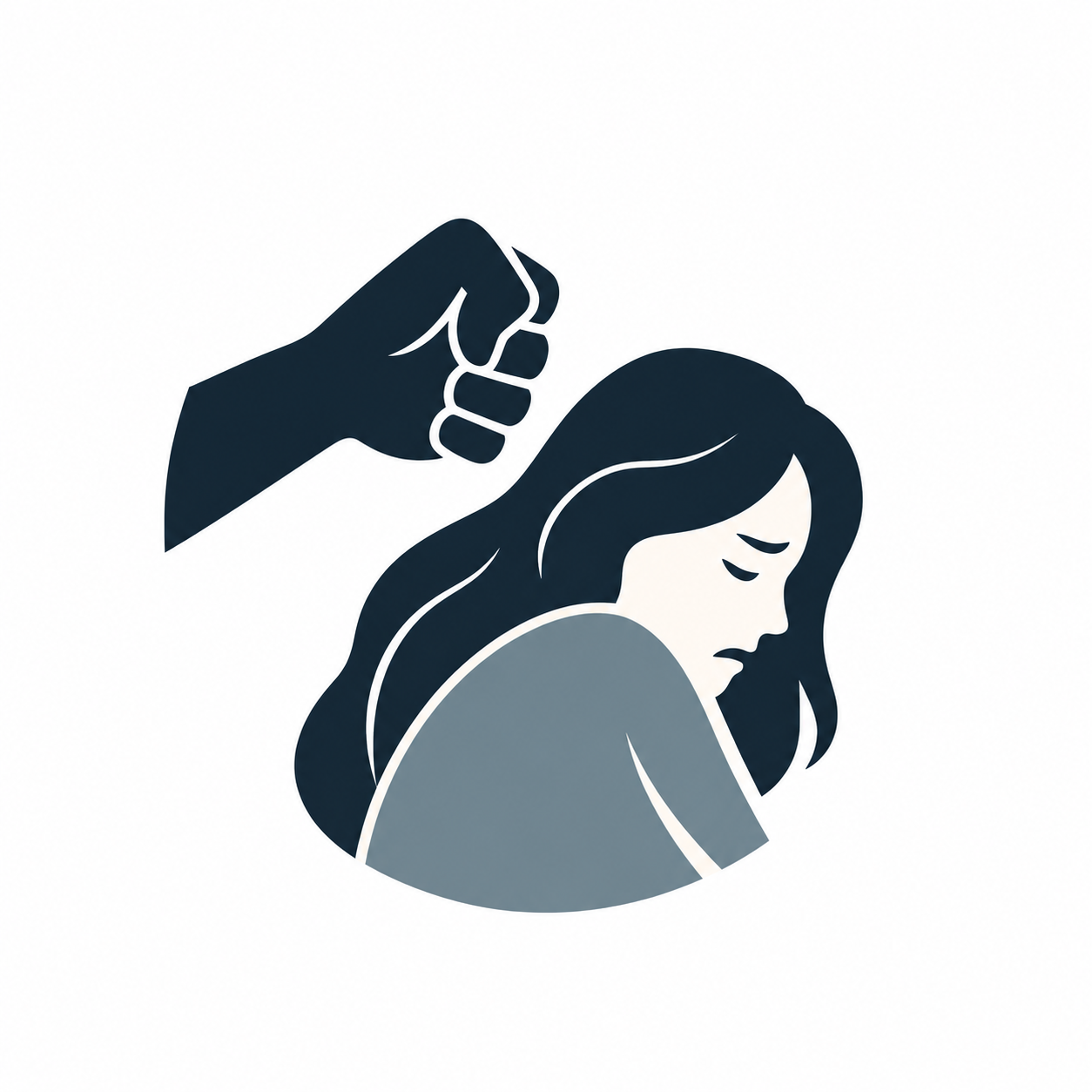
Physical Violence
The use of physical force that causes, or may cause, injury, pain or harm. It can include hitting, pushing, kicking, restraining, choking or the use of objects or weapons.
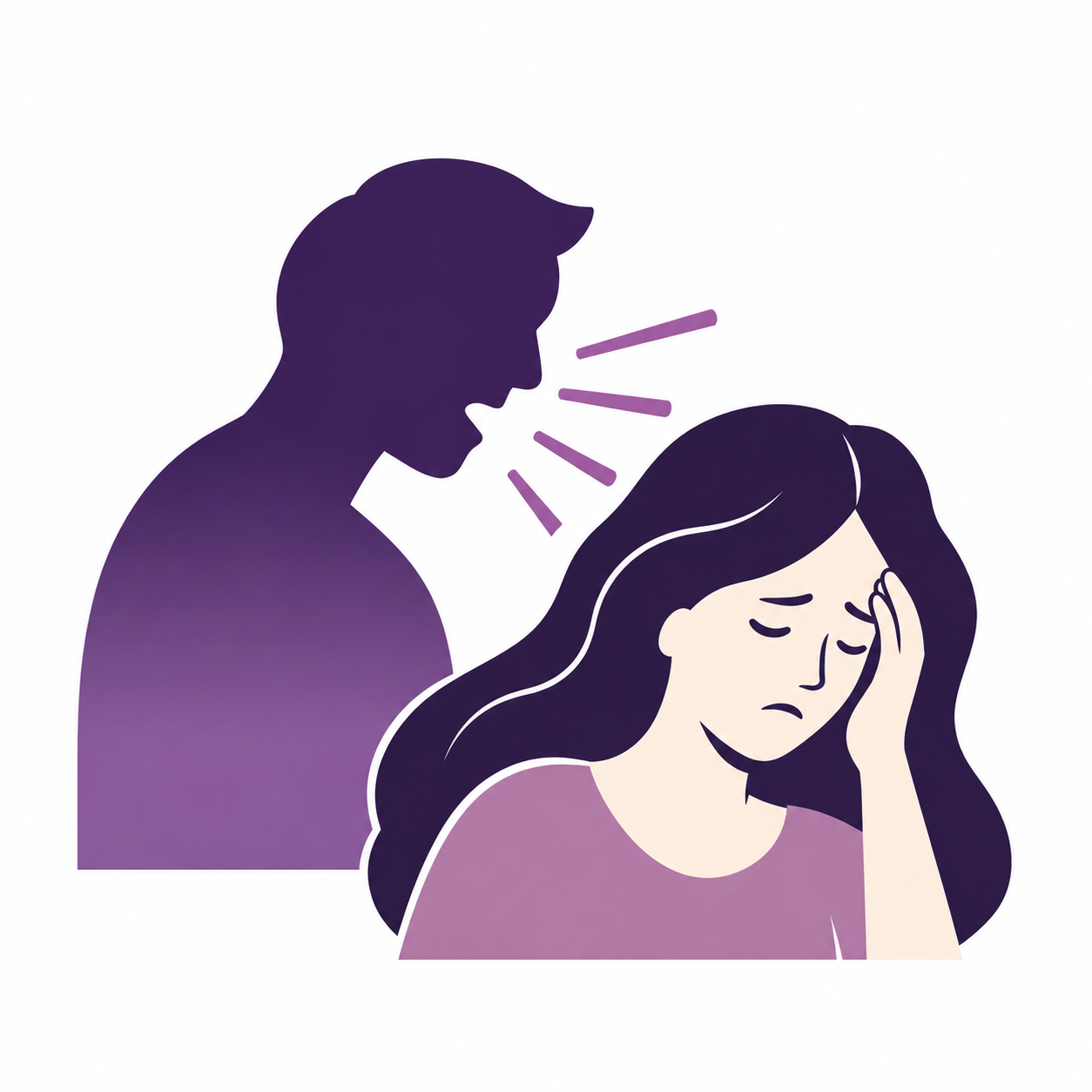
Psychological and Emotional Violence
Behaviour that causes emotional or psychological harm through intimidation, humiliation, threats, manipulation or persistent criticism. It may undermine a person’s confidence, independence and sense of safety.
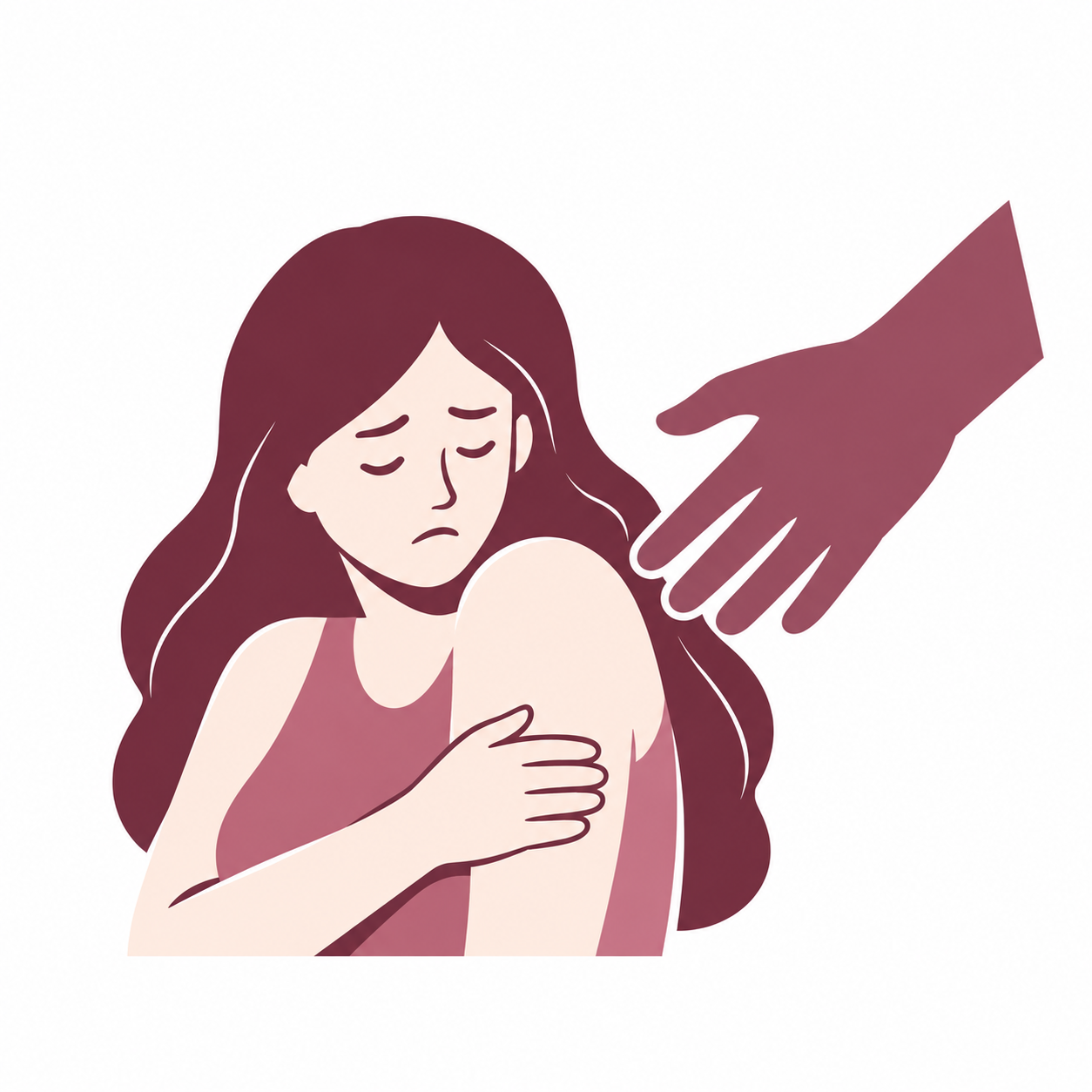
Sexual Violence
Any sexual act, contact or behaviour that takes place without freely given consent. It may include unwanted sexual touching, sexual assault, rape, sexual coercion or other forms of sexual exploitation.
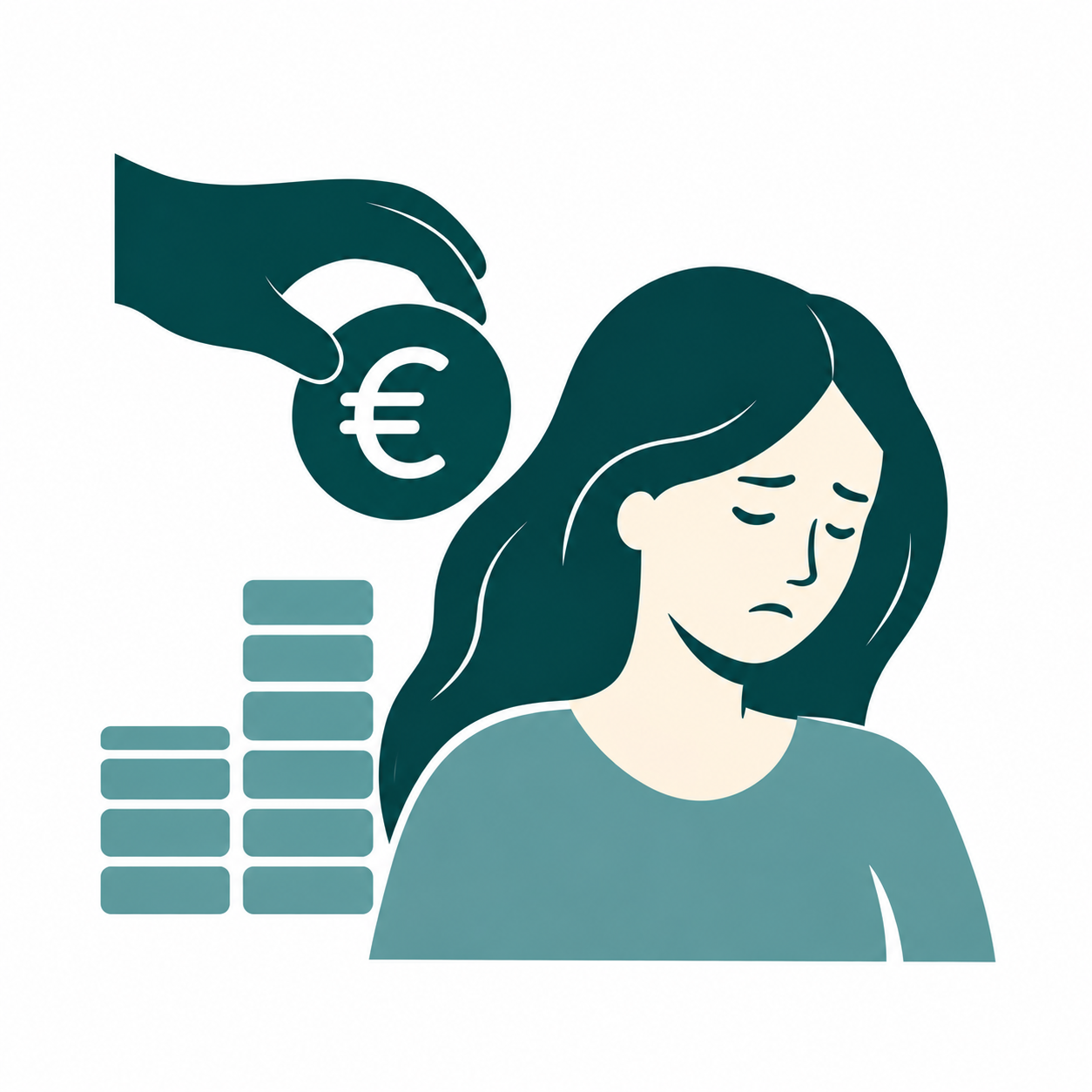
Economic Violence
The use of money or financial resources to control another person. It may include restricting access to money, preventing someone from working, taking their income, creating debt in their name or controlling essential financial decisions.
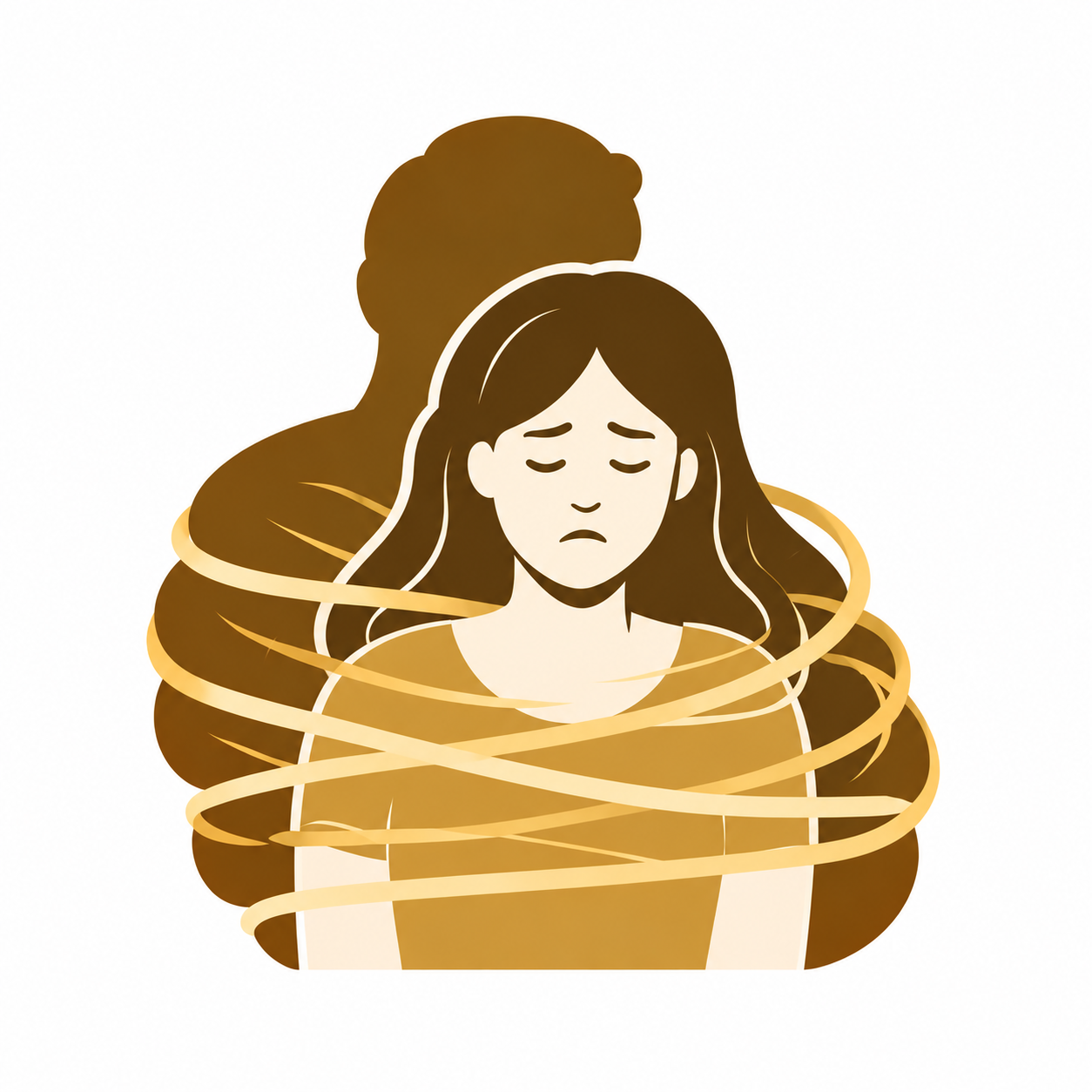
Coercive Control
A pattern of controlling behaviour used to restrict another person’s freedom and independence. It may include isolation, monitoring, intimidation, controlling everyday activities, setting rules or restricting contact with family and friends.
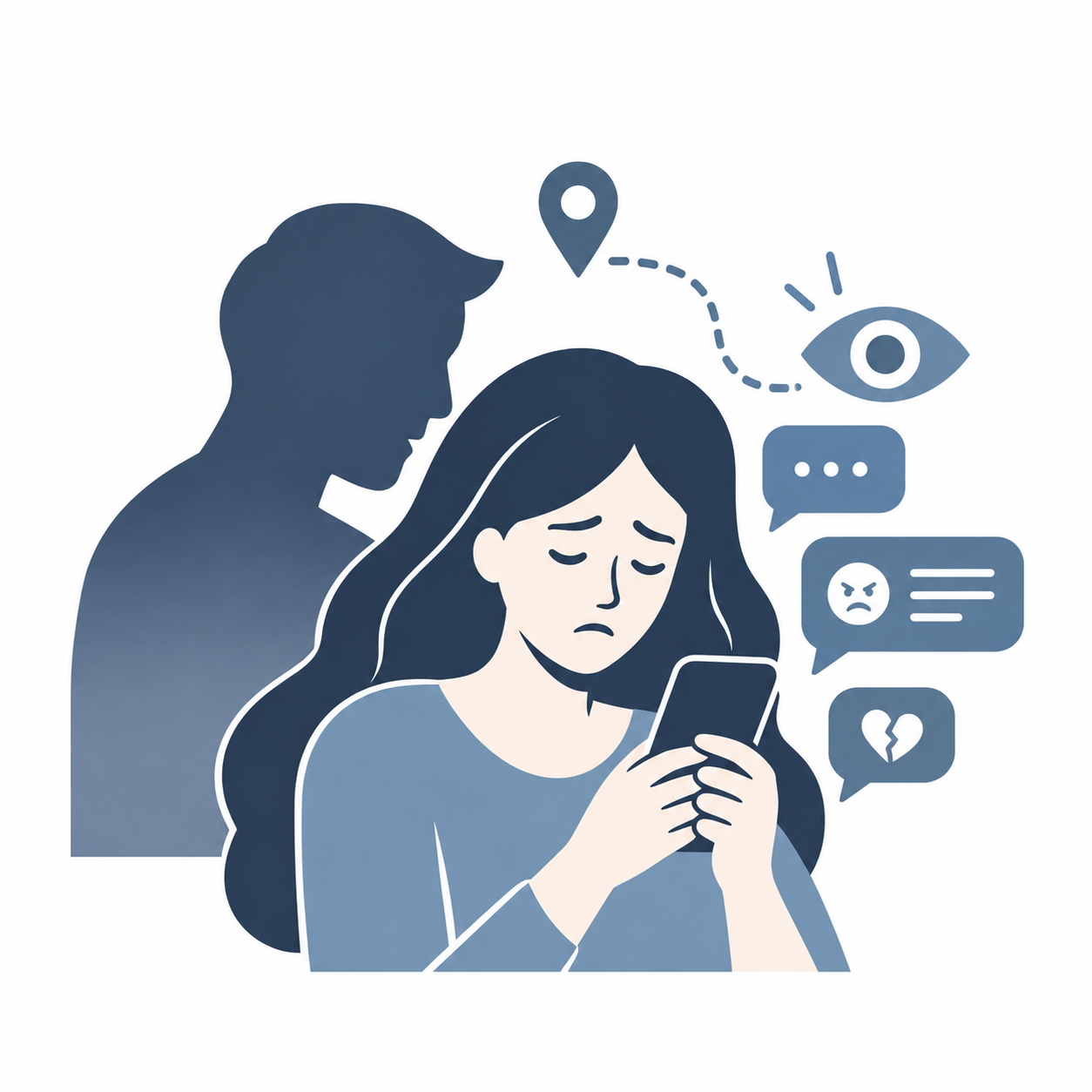
Digital Violence
The use of technology to harass, monitor, threaten or control another person. It may include tracking someone’s location, accessing accounts or devices, repeated unwanted contact, sharing private material or using digital platforms to intimidate or humiliate.
Where can Gender Based Violence Occur?




The Reality in Europe & Greece

In the European Union
1 in 3
1 in 6
1 in 3
women have experienced physical violence, threats and/or sexual violence during her lifetime.
women have experienced sexual violence during adulthood
women have experienced sexual harassment at work
Source: EU Gender-Based Violence Survey (Eurostat, FRA, EIGE), 2014.

In Greece
18,640
22,080
women recorded as domestic violence victims
domestic violence incidents reported to police
Source: Hellenic Police (2024).
The Wider Impact

Violence is rarely an isolated incident. It often forms part of a broader pattern of coercion, intimidation, isolation and control that escalates over time. Its consequences extend far beyond immediate physical injuries, affecting mental health, economic independence, employment, parenting, social relationships and overall wellbeing. Children who witness violence are also victims and may experience lifelong emotional, behavioural and developmental consequences.
Learn More
Gender-based violence is about more than individual incidents of physical harm. It can form part of a broader pattern of behaviour through which one person seeks to intimidate, isolate, dominate or control another.
Violence may occur in intimate and family relationships, workplaces, educational settings, online environments and public spaces. It can affect people regardless of age, nationality, ethnicity, religion, disability, sexual orientation, socioeconomic status or educational background.
Violence is about power and controlMany people think violence begins with physical assault. In reality, physical violence is often preceded by a longer pattern of controlling behaviours. A person may be isolated from family and friends, have their communications monitored, lose control over their finances, be threatened through their children or pets, have their confidence undermined, or gradually become afraid of the consequences of resisting or leaving.
Why Early Recognition MattersGender-based violence often develops gradually. Small acts of control may become increasingly frequent and severe, making them difficult to recognise. Over time, victims may experience fear, confusion, self-doubt, isolation, or financial dependence, which can make leaving or seeking help more difficult.
Violence usually escalates over time. Recognising the warning signs early can help prevent serious harm and enable timely access to support, legal protection, and safety planning. Family members, friends, professionals, and communities also play an essential role in identifying abuse and responding appropriately.
The Impact of Gender-Based ViolenceThe consequences of gender-based violence can extend far beyond the immediate incident and can affect many areas of a person's life.
These consequences may include:
- Physical injuries and chronic health problems
- Anxiety, depression and post-traumatic stress disorder (PTSD)
- Economic insecurity and unemployment
- Homelessness and social isolation
- Disruption of family relationships
- Effects on children who experience or witness violence
Violence also carries enormous costs for society. It increases demand for healthcare, policing, justice, social welfare and specialist support services, while reducing productivity and economic participation.
EIGE's analysis shows that the costs extend far beyond criminal justice, affecting health systems, employment, child protection and the overall wellbeing of society.
Our ApproachVIASTOP provides confidential, trauma-informed and survivor-centred support. Our approach prioritises safety, dignity, empowerment and informed choice.
How VIASTOP Can HelpWhether you are experiencing violence, supporting someone else, or seeking professional advice, our multidisciplinary team offers:
- Psychological and psychosocial support
- Legal counselling
- Risk assessment and safety planning
- Employment and social reintegration support
- Advocacy
- Referral to specialised services
- Coordinated referrals and cooperation with police, prosecutors, healthcare providers and social services
- Information about your rights and available protection measures
You do not have to wait until the violence becomes physical to seek help.
Domestic violence is not defined only by individual incidents of physical violence. In many abusive relationships, violence forms part of a broader and continuing pattern of behaviours through which one partner seeks to control, intimidate, isolate or dominate the other.
This pattern is commonly described as coercive control.
Coercive control may involve numerous behaviours that, when considered separately, can sometimes appear insignificant. When they occur repeatedly and in combination, however, they can progressively restrict a person's independence, freedom and ability to make decisions about their own life.
A perpetrator may control where a person goes, whom they see, how they spend money, whether they work, what they wear, how they use their phone, how they parent, or when and how they can leave the home. Threats, humiliation, surveillance and intimidation may be used to create fear and reinforce that control.
Physical violence may be present, but coercive control can exist even when physical assaults are infrequent or absent.
What Can Coercive Control Look Like?It may include:
- Isolating someone from family, friends and other sources of support
- Monitoring their movements, telephone, messages, social media or location
- Controlling access to money, employment, education or transportation
- Repeatedly humiliating, degrading or criticising them
- Making threats against them, their children, relatives, pets or property
- Controlling everyday decisions, clothing, social activities or healthcare
- Using jealousy, accusations or constant questioning as mechanisms of control
- Threatening suicide or self-harm as a means of manipulation
- Using children to exert pressure or maintain control
- Controlling immigration documents or exploiting insecure residence status
- Restricting access to medication, disability support or other essential services
- Using sexual coercion or reproductive control
- Threatening to disclose private information, images or personal circumstances
- Using digital technology to monitor, intimidate, stalk or harass
- Continuing harassment, surveillance, litigation, economic abuse or threats after separation
The defining issue is therefore not simply what happened during one incident, but the broader pattern:
Who is afraid?
Who is being controlled?
Whose freedom is being restricted?
And what happens when that person resists?
Gender-based violence is not limited to physical assault. It can take many forms, and different forms of violence may occur together as part of a broader pattern of coercion, intimidation and control.
Physical ViolenceThe intentional use of physical force that causes pain, injury, disability or death.
Examples include:
- Hitting, slapping, punching or kicking
- Pushing
- Strangulation or choking
- Burning or using weapons
- Preventing access to medical care
- Physical intimidation or restraint
Behaviour intended to undermine a person's self-worth, independence or emotional well-being.
Examples include:
- Constant criticism or humiliation
- Threats against the victim, children or pets
- Isolation from family and friends
- Gaslighting and manipulation
- Controlling everyday decisions
- Intimidation and persistent fear
Any sexual act or attempt to obtain a sexual act without freely given consent.
Examples include:
- Rape or sexual assault
- Sexual coercion
- Forced sexual acts within a relationship or marriage
- Sexual exploitation
- Reproductive coercion
- Image-based sexual abuse
Consent must be voluntary, informed, specific and can be withdrawn at any time.
Economic ViolenceThe control or restriction of a person's financial resources or economic independence.
Examples include:
- Preventing someone from working
- Controlling income or bank accounts
- Creating financial dependence
- Withholding money for basic needs
- Incurring debts in another person's name
Economic violence may also involve controlling access to employment, education or other financial resources in ways that create dependence and limit independence.
Digital ViolenceThe use of technology to threaten, monitor, harass or control another person.
Examples include:
- Cyberstalking
- Online harassment
- Monitoring phones or social media
- Sharing intimate images without consent
- GPS tracking
- Identity theft
- AI-generated sexual images or deepfakes
A pattern of repeated, unwanted behaviour that causes fear or concern for personal safety.
Examples include:
- Following someone
- Repeated phone calls or messages
- Appearing unexpectedly
- Monitoring daily activities
- Contacting friends, relatives or employers
Stalking often escalates over time and is recognised as a significant risk factor for serious violence.
Domestic and Intimate Partner ViolenceViolence occurring within intimate or family relationships can include physical, sexual, psychological, emotional, economic and technology-facilitated abuse. It may also involve coercive control, stalking, threats, intimidation and isolation.
Sexual Harassment, Including Workplace HarassmentSexual harassment is unwanted conduct of a sexual nature or conduct related to sex or gender that violates a person's dignity or creates an intimidating, hostile, degrading, humiliating or offensive environment.
Workplace harassment may involve unwanted conduct related to sex or gender that violates a person's dignity or creates an intimidating, hostile or degrading working environment.
Forced Marriage and So-Called “Honour”-Based ViolenceForced marriage occurs when a person is made to enter a marriage without their free and full consent. So-called “honour”-based violence may involve threats, coercion, control or violence directed at a person because their behaviour is perceived as having brought “dishonour” to a family or community.
Female Genital Mutilation (FGM)Female genital mutilation refers to procedures involving the partial or total removal of the external female genitalia, or other injury to the female genital organs, for non-medical reasons.
Trafficking in Human Beings for Sexual ExploitationTrafficking for sexual exploitation involves the exploitation of a person through coercion, deception, abuse of vulnerability or other means for the purpose of sexual exploitation.
Where Can Gender-Based Violence Occur?Violence can occur in any environment, including:
- Intimate relationships and families
- Workplaces
- Educational settings
- Sports organisations
- Healthcare institutions
- Online platforms
- Public spaces
- Humanitarian and conflict settings
Violence can affect people regardless of their age, nationality, ethnicity, religion, disability, sexual orientation, socioeconomic status or educational background.
The first EU-wide Gender-Based Violence Survey, conducted by Eurostat, the European Union Agency for Fundamental Rights (FRA) and the European Institute for Gender Equality (EIGE), confirms that violence against women remains a widespread reality across Europe.
Based on interviews with more than 114,000 women across all 27 EU Member States, the survey provides extensive evidence about women's experiences of violence, sexual harassment and abuse.
Key findings across the European Union- 1 in 3 women (31%) has experienced physical violence, threats and/or sexual violence since the age of 15.
- 1 in 6 women has experienced sexual violence during adulthood.
- 1 in 3 women has experienced sexual harassment at work.
Violence occurs at home, at work, online and in public spaces. Young women report particularly high levels of sexual harassment.
Much of the violence remains hiddenOnly a minority of survivors report violence to the police or support services, meaning that many incidents remain hidden and unreported. Many victims seek help only after experiencing repeated abuse or serious harm.
Gender-Based Violence in GreeceAvailable data also demonstrate the scale and seriousness of gender-based and domestic violence in Greece.
- 18,640 women were recorded as domestic violence victims.
- 22,080 domestic violence offences were recorded by the police.
- 17 women lost their lives in femicides recorded by the authorities.
- Women represented the majority of recorded domestic violence victims.
- Psychological violence was the most commonly reported form of violence.
- 1 in 4 women in Greece has experienced physical and/or sexual violence by a domestic perpetrator during adulthood.
These findings demonstrate that gender-based violence is not a private matter affecting only individual families. It is a significant public health, human rights and social justice issue requiring coordinated action by governments, professionals, communities and civil society.
Misconceptions about gender-based violence can make abuse more difficult to recognise, discourage victims from seeking support and shift responsibility away from the person using violence. Understanding the facts is an important part of prevention and early intervention.
Myth: Violence only involves physical injuries.Fact: Many forms of abuse leave no visible injuries but can have profound psychological and social consequences.
Myth: Victims can simply leave abusive relationships.
Fact: Leaving is often the most dangerous period due to increased risk of retaliation and lethal violence.
Myth: Violence only happens in disadvantaged families.
Fact: Gender-based violence occurs across all social, economic, educational and cultural groups.
Myth: Alcohol or stress causes violence.
Fact: Alcohol and stress may exacerbate violent behaviour but do not cause it. Responsibility always lies with the perpetrator.
Myth: If there are no injuries, it is not abuse.
Fact: Coercive control, threats, intimidation and emotional abuse are recognised forms of violence.
Myth: Abuse always involves physical violence.
Fact: A person may experience coercive control, threats, humiliation, financial restriction, sexual coercion, stalking or digital surveillance without being physically assaulted.
Myth: Jealousy and constant monitoring are signs that someone cares deeply.
Fact: Repeated monitoring, demands for passwords, location tracking, isolation from friends or family and restrictions on someone's independence can form part of a pattern of coercive and controlling behaviour.
Myth: Victims are responsible for provoking violence.
Fact: Responsibility for abusive behaviour lies with the person who chooses to use it. Disagreement, relationship difficulties or a person's behaviour do not justify violence, threats or coercion.
Myth: Children are unaffected if they are not directly assaulted.
Fact: Children who live with or witness violence can experience significant emotional, behavioural and developmental consequences. Their safety and well-being must be considered when responding to domestic violence.
Myth: Asking for help means losing control over what happens next.
Fact: Seeking information or support can help a person understand their options, assess risk and make informed decisions about their safety. Support should respect the individual's needs, circumstances and choices.
One of the best-known tools for understanding these dynamics is the Power and Control Wheel, developed through the Domestic Abuse Intervention Programs (DAIP) in Duluth, Minnesota.
The original Wheel emerged from work with women who had experienced abuse by male intimate partners. Their experiences were used to identify recurring tactics through which abusive partners established and maintained power and control.
DAIP emphasises that the Wheel is a conceptual tool rather than a theory, and it is not intended to suggest that every abusive relationship contains every behaviour represented on it.
Power and Control WheelView the Power and Control Wheel — English →
View the Power and Control Wheel — Greek →
Equality WheelThe following international and European legal instruments, research reports and public health resources provide further information on gender-based violence, its prevalence, consequences and prevention.
International & European Legal FrameworkCouncil of Europe. (2011). Council of Europe Convention on preventing and combating violence against women and domestic violence (Istanbul Convention). CETS No. 210.
European Union. (2024). Directive (EU) 2024/1385 of the European Parliament and of the Council on combating violence against women and domestic violence.
United Nations. (1993). Declaration on the Elimination of Violence against Women. General Assembly Resolution 48/104.
United Nations. (1979). Convention on the Elimination of All Forms of Discrimination against Women (CEDAW).
European Data
European Institute for Gender Equality (EIGE). (2024). EU Gender-Based Violence Survey – Key Results: Experiences of Women in the 27 EU Member States. Luxembourg: Publications Office of the European Union. DOI: 10.2839/3648756.
European Union Agency for Fundamental Rights (FRA), Eurostat & European Institute for Gender Equality (EIGE). (2024). EU Gender-Based Violence Survey – Key Results. Luxembourg: Publications Office of the European Union.
European Union Agency for Fundamental Rights (FRA). (2026). EU Gender-based Violence Survey – Evidence for Policy and Practice. Luxembourg: Publications Office of the European Union.
Public Health
World Health Organization. (2021). Violence against women prevalence estimates, 2018.
World Health Organization. (2024). Violence against women.
Economic Impact
European Institute for Gender Equality (EIGE). (2014). Estimating the Costs of Gender-Based Violence in the European Union.